
A sugar-free soda is not necessarily a soda without debate. Coca-Cola Zero, with its promise of light enjoyment, stirs the lines between chemical innovation and societal choice. The question is no longer just about taste, but about the trust placed in the formula printed on the back of the can.
What do we really find in the composition of Coca-Cola Zero?
Behind the slogan “zero sugar,” lies a whole formula designed to please the palate while avoiding a caloric spike. Take a look at the composition of Coca-Cola Zero sugar: here, there is no sucrose or glucose. Instead, aspartame and acesulfame K, two artificial sweeteners whose sweetness power far exceeds that of regular sugar, dominate the mix. The result: a familiar sweetness, without the calories traditionally associated with it.
This soda primarily relies on a base of carbonated water. Phosphoric acid is added to provide that characteristic acidity, along with flavors from laboratories and nature, and the famous E150D, caramel coloring that gives the drink its typical dark brown color. A can contains barely one calorie, and is a demonstration of what the industry can offer in terms of “light” products.
To better understand what we are really drinking, here are the recurring elements of this modern recipe:
- No trace of added sugar in the ingredient list
- The sweetness comes entirely from synthetic sweeteners
- The E150D coloring gives this recognizable caramel hue
- A cocktail of flavors finalizes the drink’s identity
Reading the label also reveals the evolution of sodas: the use of sophisticated additives marks a thin line between technological innovation and the expectation of clarity regarding what we consume. Questions are never far away.
Light drinks and health: what scientific studies say
Instead of sugar, most light sodas, like this one, rely on aspartame and acesulfame K. These choices spark recurring debates. While their sweetness power is undeniable, they occupy an ambiguous place in the public’s mind.
The International Agency for Research on Cancer (IARC) has classified aspartame as a “possibly carcinogenic” substance (Group 2B). The evidence is not definitive, but caution remains the watchword; several organizations like Foodwatch or the League Against Cancer regularly raise concerns about its use, calling for a moratorium in light of unresolved questions.
Scientific literature has identified several adverse effects associated with the regular consumption of light drinks:
- An increased risk of weight gain and even obesity, according to the American Journal of Public Health as early as 2006
- Links mentioned with the onset of type 2 diabetes (JAMA, 2010)
- An elevated risk of cardiovascular diseases (Journal of Clinical Nutrition, 2013)
- Correlations with mood disorders and anxiety (PLOS ONE, 2014)
The World Health Organization recommends reducing the intake of added sugars in the diet. Anses, the French health agency, is cautious: it warns about excessive sugar while refusing to take a stance on sweeteners. There are also other questions: several studies are examining the effects of these products on the microbiome, some mention headaches, altered sleep, or even repercussions on mental health. Caution is advised in every opinion.
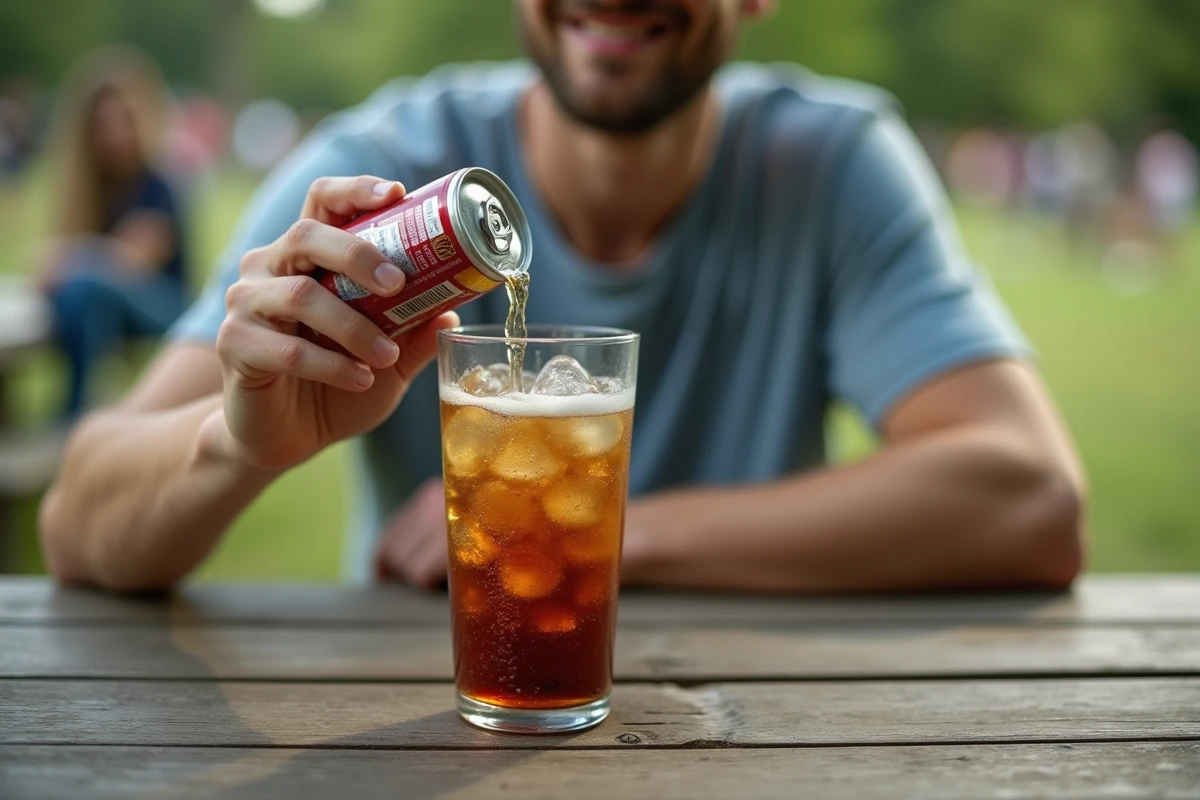
What are the long-term risks for consumers of sugar-free sodas?
Turning to sugar-free sodas often means seeking lightness. But regular consumption is not without consequences: frequently drinking this type of beverage can sometimes lead to a paradox. Several studies indicate that the repeated intake of sweeteners, instead of limiting weight gain, could actually promote it. The intestinal microbiome, this collection of billions of bacteria essential for digestive and immune balance, could be disrupted by this artificial diet.
This disruption, even if subtle, could create a fertile ground for persistent inflammation, often implicated in the development of metabolic diseases like type 2 diabetes or cardiovascular conditions. Researchers are also looking into other repercussions: anxiety, mood swings, migraines, sleep disturbances appear in case analyses. And what about the feeling of satiety? It may become less reliable: the brain, regularly “fooled” by the sweet taste without the nutritional intake, tends to demand more, deepening the sensation of hunger.
In light of this observation, several health professionals, such as Dr. Corinne Chicheportiche-Ayache or Dr. Patrick Serog, emphasize the need to alternate pleasures: water, infusions, and a well-chosen green tea remain the safest allies for reasonable consumption. Taking a step back also means choosing not to blindly trust the promise of zero.
Drinking a Coca-Cola Zero has never been an insignificant act. Between industrial prowess and health doubts, the pleasure of light soda comes with a firm invitation: keep your eyes open, even in front of a can that seems so light.